Reflective satellites, meet dimensional analysis
Let’s do some math on metallic reflective solar radiation modification.
Solar radiation modification (SRM) is defined on Wikipedia. Many schemes for modifying Earth’s atmospheric and surface temperatures have been proposed under the umbrella of SRM, some of which involve mirrors or reflecting light back into space.
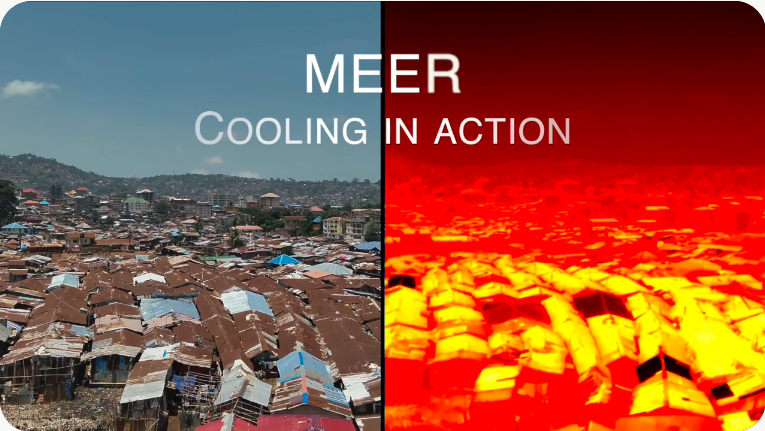
MEER proposes tiling cities and countrysides with reflective mirrors.
Someone else wrote a rather daft paper proposing that solar-powered reflective stratospheric drones could precisely apply shade to specific locations.
We’ll call the above general strategies “metallic reflective” SRM.
A different avenue of SRM, namely stratospheric aerosol injection (SAI), exploits the aerosol precipitation leverage by injecting substances high in the atmosphere.
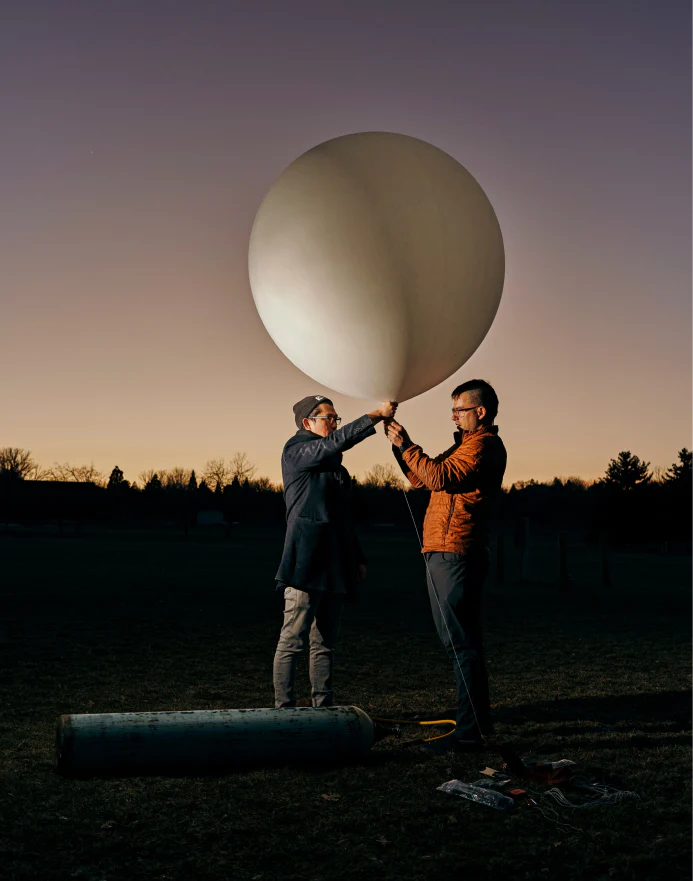
Make Sunsets press photo
Others propose using giant hoses, cannons, aircraft, and/or rockets to export those aerosols high enough to stay aloft for some time.
This blog entry will ignore SAI as there’s currently no standardized metric comparing SAI versus MEER.
Back to mirrors.
Reflect Orbital is a startup that wants to sell reflected sunlight.
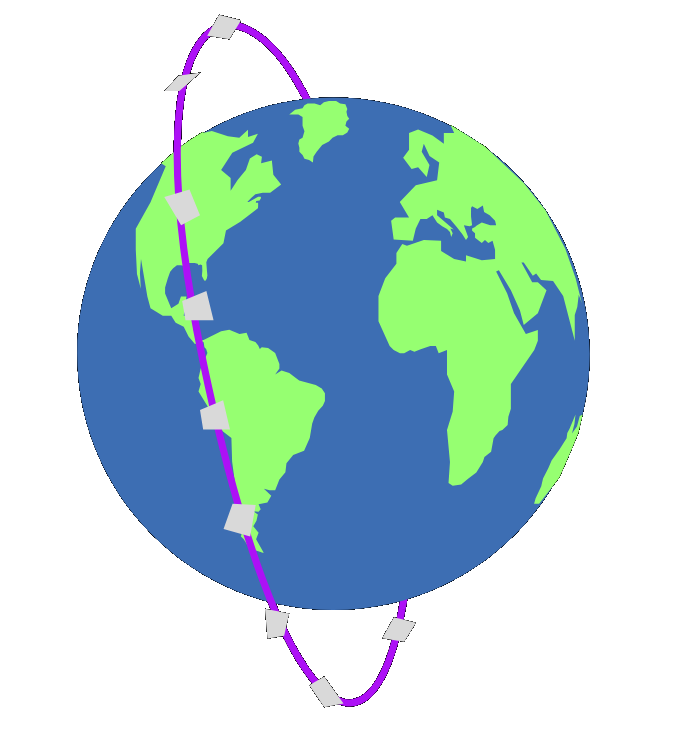
Reflect Orbital
Their satellites will orbit the Earth’s solar terminator in perpetuity and reflect sunlight to Earth that would’ve otherwise sailed right past it. If they can reflect sunlight towards Earth, their same technology in a different orbit can also reflect sunlight away from Earth.
Thickness matters
Solar shields proposed in the past, e.g. orbiting at L1, are close to a few micrometers or nanometers thick, just like Reflect Orbital’s proposed satellites. The problem with L1 sunshields is that most of the sunlight they reflect wouldn’t have hit the Earth in the first place.
Is the idea dead? Plenty of great YouTube videos on the topic suggest so.
November 2025: Enter Elon Musk, stage left.
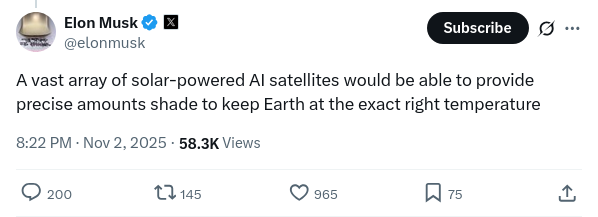
Space mirrors are back from the dead.
SpaceX’s CEO claims that large fleets of his company’s Starlink satellites could be used to provide shade to Earth. SpaceX does have the advantage of a massive launch fleet.
Let’s first estimate how cost-effective Starlink satellites are as shade.
One Starlink V2 satellite: cross section ~60 square meters. Weight: 800 kilograms.
Let’s pretend it’s a flat plate of aluminum. 800 kg yields 0.29 m^3; dividing by 60 m^2 yields 4.8 millimeters effective thickness. That’s 5,000 times thicker than a 1-micron sunshield.
Area of a sphere
Suppose, using a wild guess as to the solar constant sensitivity of our atmosphere, that SpaceX gets the world to agree they want to dim the sun by 1%.
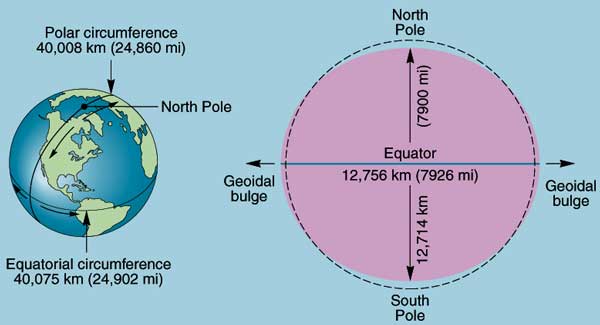 Geography 101
Earth’s radius is 6371 km. The surface area of Earth is 500 million square kilometers. 1% of that is 5 million square kilometers.
Covering 1% of Earth’s surface with a 1 micron thick layer of aluminum would amount to 5 million square kilometers × 1 micron, or about 5 km³ of aluminum.
What would it cost to launch this?
Starship (in the present) promises 100 metric tons of payload to orbit in reusable mode for about $10 million.
100 metric tons of aluminum costs $270k — a rounding error next to the launch cost.
13 million tons to orbit at $100k/ton is 1.3 trillion dollars and 130,000 launches. That’s 100 launches a day for 3.5 years.
CO2 impact
If 1% solar attenuation is all we need to reverse climate change, increasing our emissions by 0.25% for a few years doesn’t actually seem unreasonable.
Economics of aluminum
It costs 37 times more to launch the aluminum to orbit ($100k/ton) than to buy it ($2700/ton).
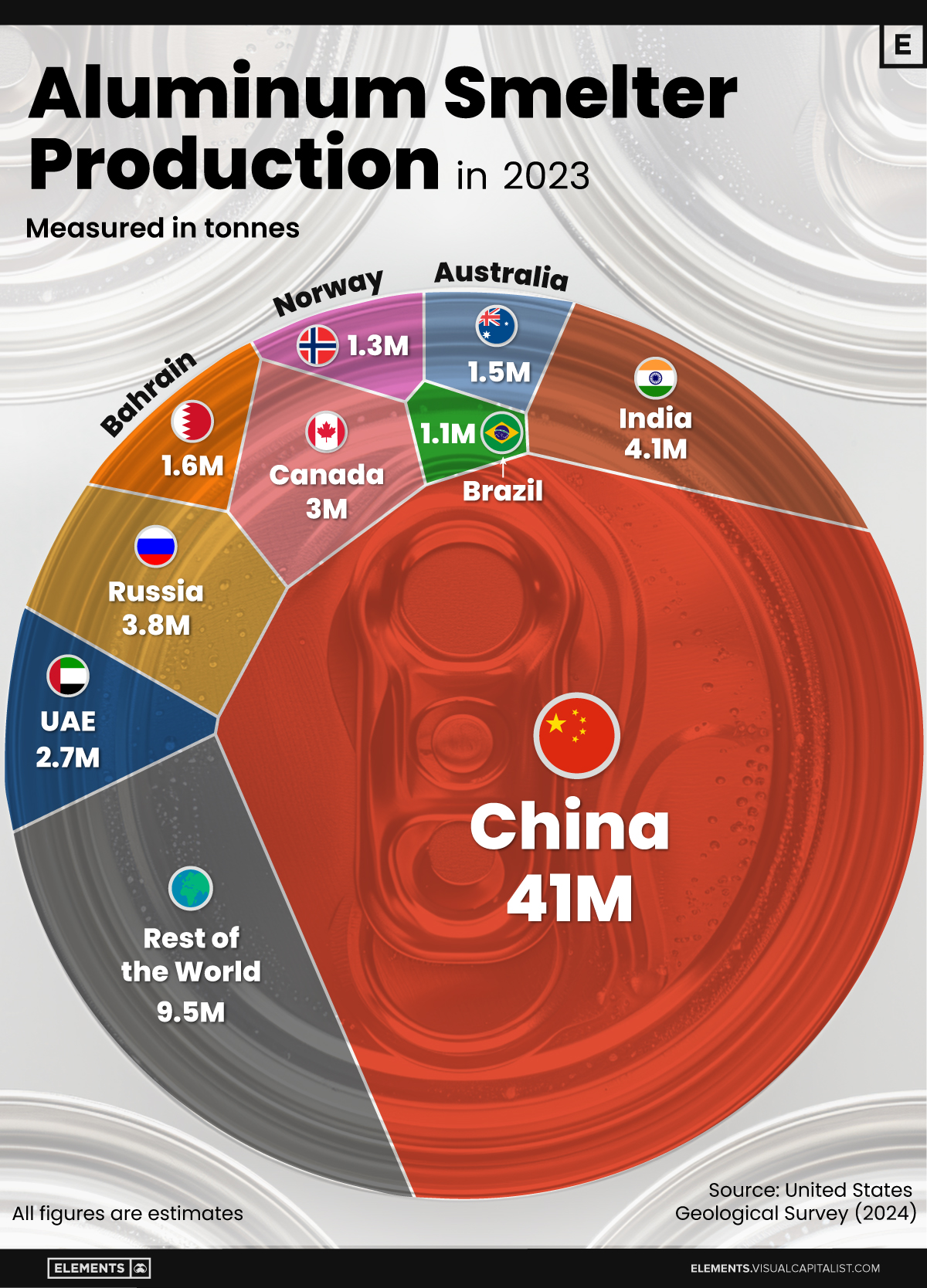 Aluminum production 2023 (VisualCapitalist, USGS)
Annual worldwide production was just under 70 million tons in 2024. Spread over 3.5 years, SpaceX would eat about 5% of the global Al market.
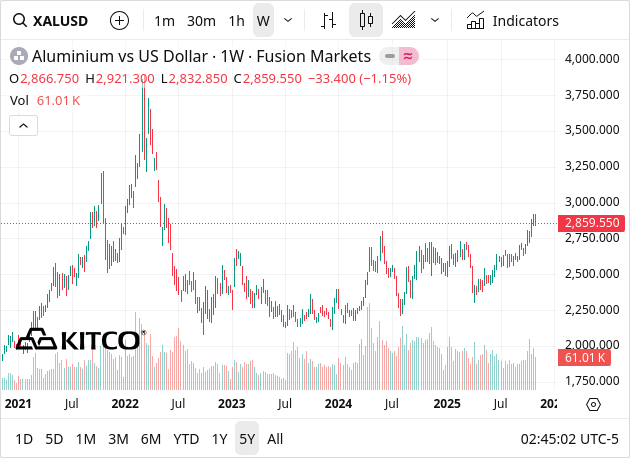 Aluminum price chart ($/ton) (Kitco)
We could expect soda can prices to go up a bit.
Evaluating the original claim
Elon Musk’s original claim was that a fleet of Starlink satellites could shade the Earth. We already estimated that a fleet of 1 micron thick reflective satellites would cost about a trillion dollars and take three years to launch. The Starlink V2’s effective thickness is 5,000x that, so the price would need to also increase by 5,000x. 5 quadrillion dollars is a lot.
StarMembrane V42 might have a chance, but unless we can mine it entirely from asteroids, it’ll still cost a quadrillion dollars.
Should we do it?
References
- Mirrors for Earth Energy Rebalancing
- It’s not published.
- Their work has no measurable effect but has triggered much gnashing of teeth.
- SRM Hoses Hyde
- Elon Musk tweet
- Space sunshade
- Starlink satellite dimension estimates
- A 100-ton aluminum sunshield with a thickness of 1 micron would be 35 square kilometers across.
- PMC article